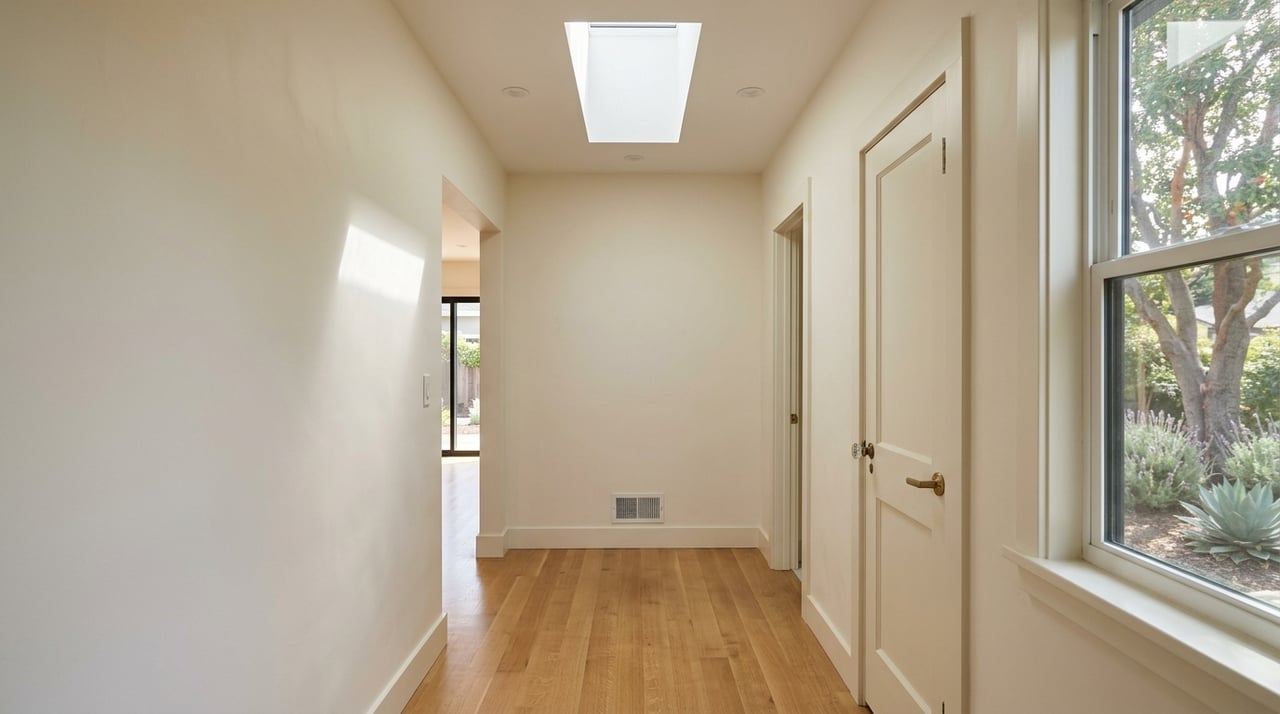
Finding Value-Add Potential In Older Fullerton Homes
July 16, 2026
July 16, 2026
Thinking about buying an older home in Fullerton because you see upside? You are not alone, and you are also right to be cautious. In a city with many established neighborhoods, older housing stock, and a median owner-occupied home value of $924,900, the best value-add opportunities usually come from smart, well-matched improvements rather than the biggest renovation budget. This guide will help you spot where the real potential is, where the risks can hide, and how to evaluate an older Fullerton home with more confidence. Let’s dive in.
Fullerton has a meaningful base of older homes, especially in neighborhoods shaped by early 20th-century development. The city’s residential preservation guidelines describe post-World War I areas built mostly between 1920 and 1940, with home styles like California bungalows and Spanish Colonial Revival properties.
That matters if you are looking for value-add potential. Older homes often offer character, established locations, and layouts or systems that could benefit from thoughtful updates. At the same time, those same homes may sit in areas where preserving original architectural elements and neighborhood character is part of the city’s review process.
Fullerton’s housing mix also adds context. The city has 52,304 housing units, 53% owner-occupied housing, and 60% single-unit structures. In practical terms, that means buyers often judge upgrades in relation to the surrounding neighborhood, not just the amount of money spent on the remodel.
In older Fullerton homes, value-add usually means improving how the house lives day to day while staying compatible with the home, the block, and the city’s requirements. It is less about chasing the flashiest finish and more about making the property more functional, more appealing, and easier for future buyers to understand.
The strongest opportunities are often homes with good location and solid structure but dated interiors, limited storage, worn finishes, or inefficient systems. If the home already has good bones, the right improvements can make it feel far more usable without forcing a complete reinvention.
Functional upgrades often create the clearest payoff because they improve everyday living. In many older homes, the issue is not just age. It is how the space works.
You may see value in changes like:
In Fullerton, this step requires discipline. The city states that garage conversions, ADU conversions, and many remodels or renovations require permits. If the home is in a preservation zone, additions also need to stay consistent with the area’s traditional character.
That is why a promising idea on paper is not automatically a good project in real life. A layout improvement that fits the home and follows the city’s standards is usually more valuable than a bigger plan that creates approval problems.
Not every value-add strategy needs to start with walls coming down. Smaller, visible improvements can have a strong effect on how an older Fullerton home feels.
The 2025 NAR Remodeling Impact Report found increased demand for kitchen upgrades, new roofing, and bathroom renovations. REALTORS® also identified painting and roof work as high-value pre-listing projects, while NAR’s outdoor-features research noted the importance of curb appeal in remodeling decisions.
For an older Fullerton home, that often points to straightforward upgrades such as:
These projects may not sound dramatic, but they help buyers see the home as cared for and usable right away. In established neighborhoods, that kind of clean execution can go a long way.
In older homes, the biggest hidden opportunity may be behind the walls, above the ceiling, or under the house. Systems upgrades are not always the most exciting part of a renovation, but they can affect comfort, utility costs, and resale appeal.
The California Energy Commission says improving existing buildings is a state priority, and the Energy Code applies to additions and alterations to existing buildings. Fullerton’s code information places the city in Climate Zone 8 and lists the 2025 Energy Code, Existing Building Code, and Historical Building Code among the standards in force for submitted projects.
That makes several areas especially relevant when you evaluate an older home:
If a house has dated systems, part of the value-add story may be improving efficiency and livability, not just appearance. Buyers often notice when a home feels comfortable, runs better, and appears better maintained.
One of the most important steps is confirming what the city will require before you spend serious money. Fullerton says permits are generally required for additions, remodels and renovations, kitchen remodels, garage conversions, stucco, window and door changeouts, and new, expanded, or replaced electrical, mechanical, and plumbing work.
The city also states that no construction should begin until the permit is issued. That may sound obvious, but it can have a major impact on timeline, scope, and total cost.
If you are comparing two older homes, the easier project is not always the one with fewer visible flaws. It may be the one with a more straightforward permit path.
Many buyers underestimate how much planning a remodel can require. Fullerton says most projects require detailed construction plans, and submittals may need site plans, floor plans, structural plans, and Title 24 energy calculations.
The city also notes that most project types should be prepared by a California-licensed architect or engineer, and incomplete plans can delay approval. Some smaller projects may qualify for over-the-counter review, but existing conditions can still push a project into more detailed review.
This matters when you estimate value-add potential. A home with a simple cosmetic path may offer more predictable upside than a home that needs major design work, structural planning, and a longer city review process.
Fullerton’s older housing stock can be part of the appeal, but historic review rules can change what is possible. If a home is inside a Residential Preservation Zone, the city’s guidelines apply to all structures there.
Minor work may be approved by staff, but major additions or new dwellings receive more formal review. The guidelines also say additions should preserve the traditional character of the neighborhood, and these zones do not allow two-unit development through an urban lot split.
For value-add buyers, this is a major checkpoint. If your plan depends on expanding aggressively, adding a second unit in a specific way, or changing the exterior character substantially, you need to verify what the property can support before you assume the upside is there.
If you are buying an older home for renovation potential, your inspection mindset should go beyond the finishes. Cosmetic issues are usually the easy part.
Pay close attention to:
These are the kinds of items that can trigger added cost, plan revisions, or code-related work after purchase. Fullerton’s plan-check guidance specifically references structural plans, foundation plans, and energy calculations, which shows how quickly a project can become more complex when core systems or structural conditions need attention.
The best test is whether the planned improvements fit the home’s likely buyer pool and neighborhood expectations. In Fullerton, over-improving is a real risk because the city’s design standards and established neighborhood character can shape what feels appropriate.
A smart project usually improves livability without fighting the block. That could mean a more functional kitchen, better baths, improved flooring, roof work, stronger curb appeal, or updated systems rather than a remodel that tries to turn the home into something the setting does not support.
In other words, value-add is not just about what you can spend. It is about what makes sense for that specific house in that specific part of Fullerton.
If you want a more cautious approach, start with projects that buyers see and use every day. Based on the research, the most consistently practical improvements include:
These upgrades tend to support both livability and resale appeal. They also align better with the reality that older Fullerton homes are often rewarded for thoughtful improvement, not overbuilt reinvention.
Buying for renovation upside can be exciting, but the strongest results usually come from clear planning and steady execution. In a market like Fullerton, details matter. Permit requirements, preservation-zone rules, existing systems, and neighborhood fit can all shape whether a project feels like a smart opportunity or an expensive lesson.
That is why it helps to work with a team that understands how to evaluate not just the home you see today, but the realistic potential behind it. If you are considering an older Fullerton property and want practical guidance on what may add value, what may create friction, and how to make a more confident move, connect with Merita Rama.
Stay up to date on the latest real estate trends.
Partner with a team that values integrity, precision, and exceptional service at every step.

MERITA RAMA | CA DRE# 01297882 | RCR ENTERPRISES, INC.
ADDRESS 13604 WHITTIER BLVD WHITTIER, CA 90605