Preparing Your La Habra Home For A Successful Sale
June 25, 2026
June 25, 2026
If you are thinking about selling in La Habra, one question matters more than almost any other: what should you fix, clean, or update before your home hits the market? In a fairly competitive market, buyers notice condition quickly, and many are less willing to overlook obvious issues than they used to be. The good news is that you usually do not need a full remodel to make a strong impression. With the right prep, you can reduce buyer objections, support your price, and make your home easier to sell. Let’s dive in.
La Habra remains a competitive resale market. Recent data shows a median sale price of $849,492 over the three months ending May 2026, with homes selling in about 38 days and receiving 6 offers on average. Another market snapshot shows an average home value of $911,634, homes going pending in around 17 days, and 53.0% of sales selling over list price.
The numbers are measured differently, but the message is consistent. Buyers are active, yet that does not mean every home sells effortlessly. Presentation and pricing discipline still matter, especially when buyers compare your home to other available options in Orange County.
A successful sale usually starts with removing the reasons a buyer might hesitate. That means your goal is not to make the house feel brand new at any cost. Your goal is to make it feel well cared for, functional, and easy to say yes to.
This approach fits current buyer behavior. In the 2025 Remodeling Impact Report, 46% of REALTORS® said buyers are less willing to compromise on the condition of a home than they were in the past. That makes visible maintenance and clean presentation especially important before showings begin.
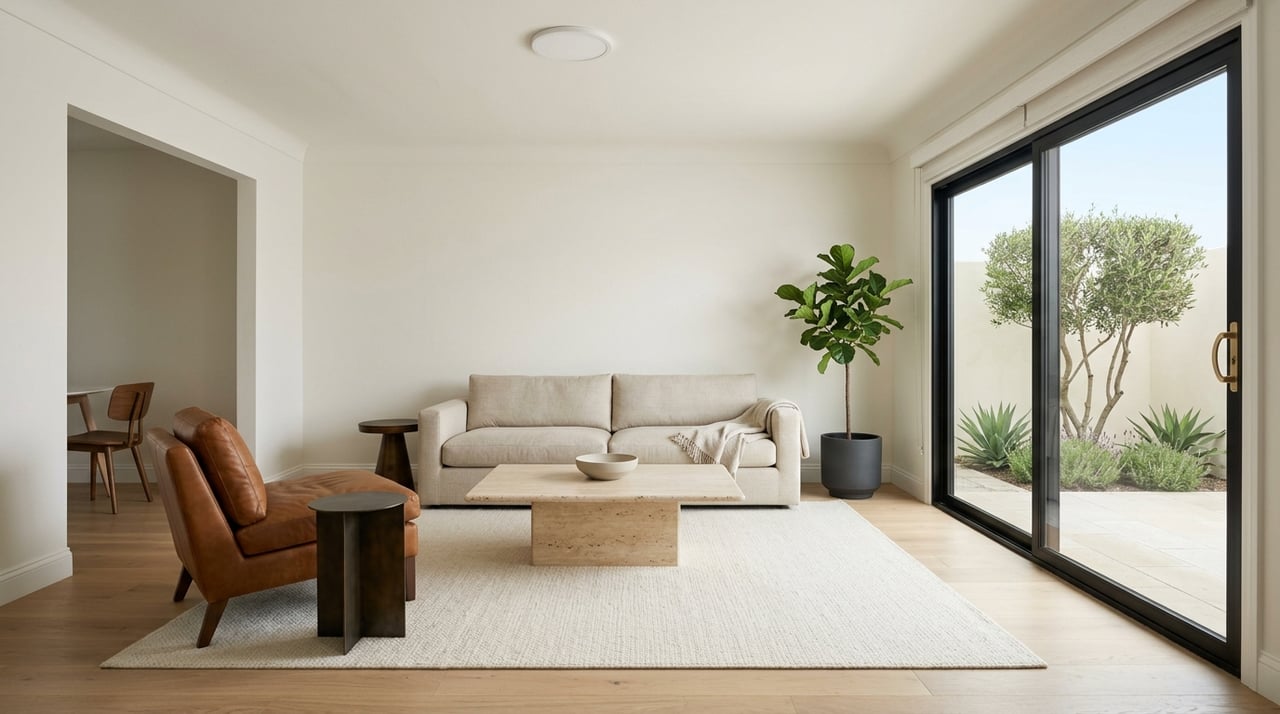
Before you spend money, simplify the home. This step is often the most useful and the most overlooked. A home that feels open, calm, and easy to walk through tends to show better both online and in person.
Focus on the areas buyers notice right away:
You do not need to strip the home of all personality. You simply want buyers to understand the layout quickly and imagine how their own furniture might fit.
When sellers prepare a home for the market, the highest-impact projects are often the simplest ones. Current remodeling research points to visible, low-disruption improvements instead of large discretionary remodels.
A practical pre-sale update list for many La Habra homes includes:
These updates can help your home feel cleaner and more current without creating the cost and delay of a major renovation. In many cases, that is the better use of your time and budget.
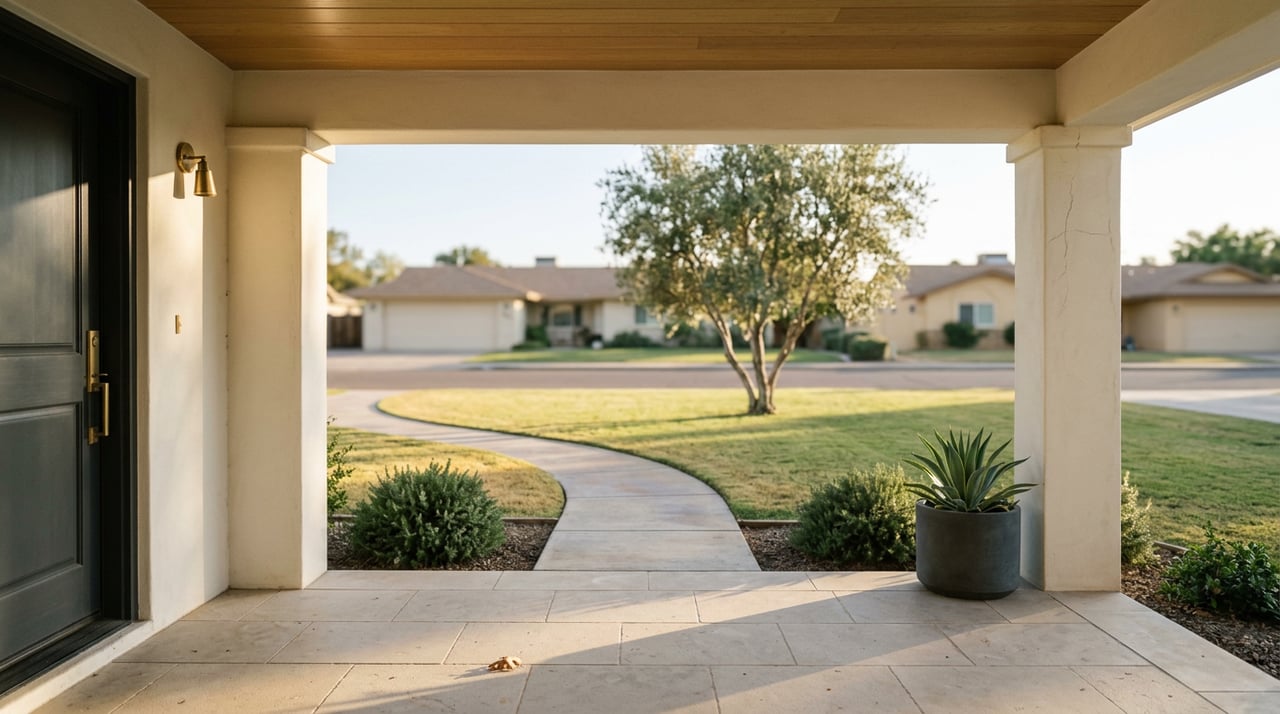
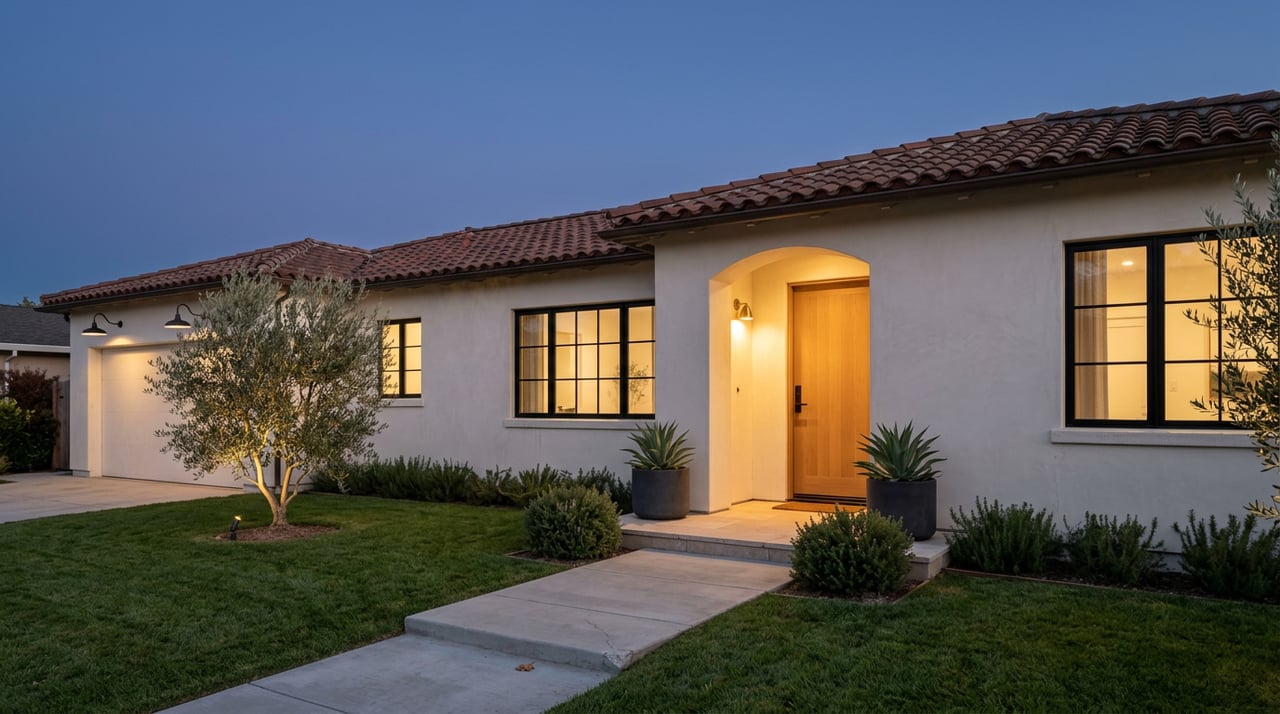
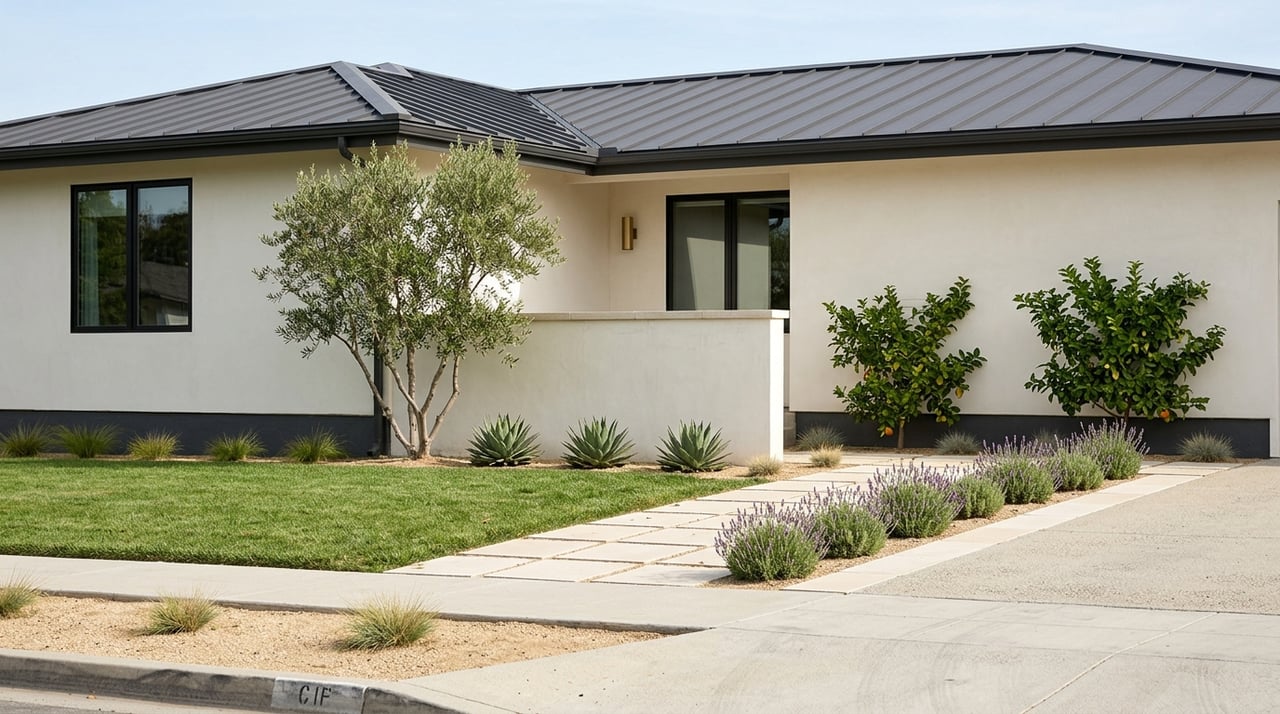
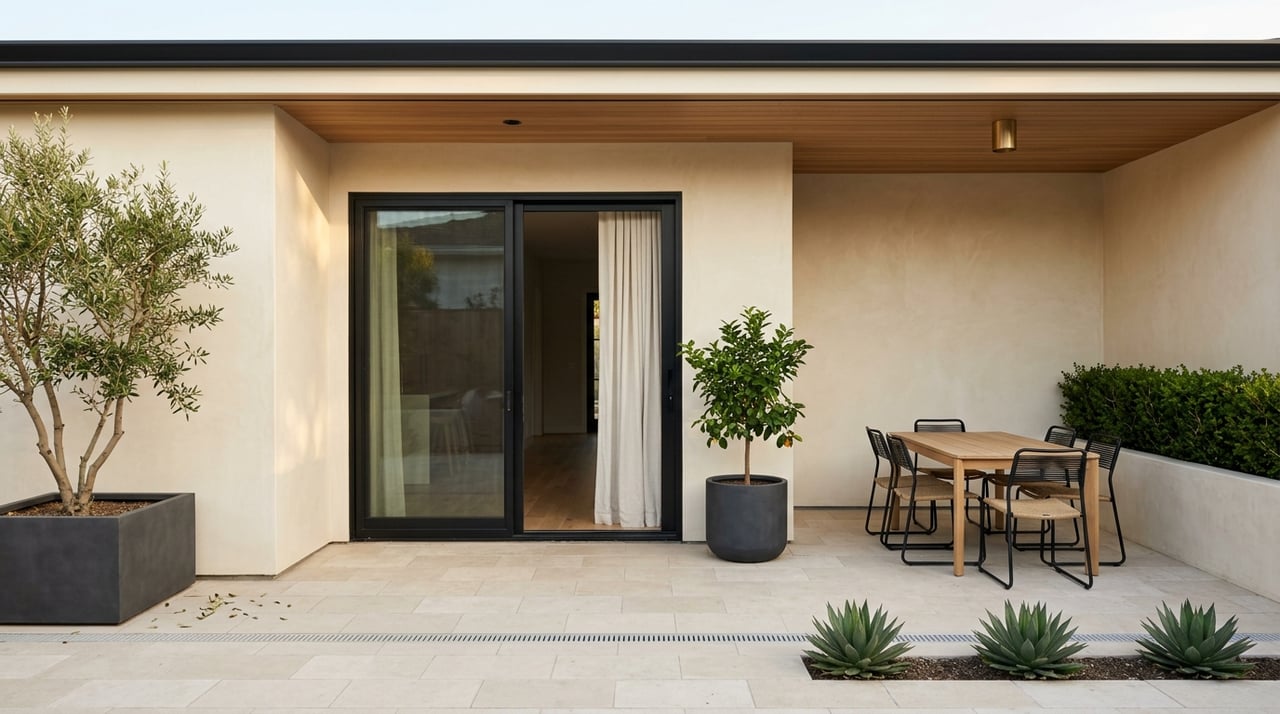
The outside of your home sets the tone before a buyer ever walks through the front door. If the exterior feels neglected, buyers may assume the inside has similar issues. That is why curb appeal often carries more weight than sellers expect.
Research on resale value continues to favor exterior improvements. In Zonda’s 2025 Cost vs. Value Report, 8 of the top 10 projects were exterior-focused, and replacement projects like garage doors and steel front doors stood out strongly.
For most sellers, curb appeal does not need to be elaborate. Focus on clean, visible improvements such as:
If your front door or garage door looks especially dated, those may be better investments than tackling a large interior remodel.
Cosmetic updates help, but repairs matter just as much. If something looks broken, worn out, or unfinished, buyers may worry about bigger hidden problems. Even small deferred maintenance items can raise questions during tours.
Walk through your home as if you were seeing it for the first time. Pay attention to leaky faucets, damaged screens, sticking doors, cracked caulk, loose handles, missing outlet covers, stained ceilings, and other visible defects. These issues may seem minor, but together they can affect how buyers judge the home’s condition.
A pre-listing inspection is not always necessary, but it can be very helpful in the right situation. If your home is older, has mixed-age systems, or may raise questions about the roof, plumbing, electrical, HVAC, or past repairs, getting an inspection before listing may help you plan more confidently.
California’s Department of Real Estate notes that the Transfer Disclosure Statement is not a warranty and is not a substitute for inspections. The DRE also says buyers and sellers may wish to obtain professional advice and inspections, and that reports from qualified experts can help support required disclosures.
In practical terms, a pre-listing inspection can help you:
Before starting updates, it helps to know which projects are simple finish work and which ones may trigger permit questions. In La Habra, painting, carpeting, and non-structural flooring are listed as finish work that does not require a building permit.
Other improvements usually do require permits. The city lists additions, new interior walls, new plumbing lines and fixtures, new electrical wiring or lighting fixtures, and HVAC replacements as work that generally needs permits. If you are considering exterior changes, the city says you should also check with Planning to make sure there is no zoning issue.
This is one reason cosmetic prep is often the most practical path before selling. You can improve presentation without adding permit complexity or slowing your timeline.
If your home has had additions, wall changes, or major system upgrades over the years, take time to verify the permit history. La Habra’s Building & Safety department retains permit records and manages permits through its online portal, which makes record-checking more practical before you go live.
This step can save time later. If buyers ask about a converted space, a remodeled area, or a replaced system, having documentation ready helps support a cleaner conversation and a smoother transaction.
One of the smartest things you can do before listing is build a clean property file. Sellers often focus on paint colors and staging first, but documentation can be just as important.
Try to gather:
Having these items organized early can make disclosure preparation easier and help you respond faster when buyer questions come up.
In California, most single-family residential sellers must complete a Real Estate Transfer Disclosure Statement, often called a TDS. The form describes the property’s condition, and the DRE makes clear that it is not a warranty and not a substitute for inspections.
Timing matters too. The DRE notes that if required disclosures are delivered after an offer is signed, the buyer may have a short statutory right to rescind. That is one more reason to prepare disclosure materials early instead of scrambling after you accept an offer.
California also requires natural hazard disclosures for properties located in mapped hazard zones. These may include special flood hazard areas and designated very high fire hazard severity zones. Sellers may use a third-party consultant for the natural hazard disclosure statement, but the duty to deliver the disclosure still matters.
If your home was built before 1978, federal law adds lead-based paint disclosure requirements. Sellers must disclose known lead-based paint hazards, provide available records and reports, include the required warning language, and allow the buyer time to conduct a lead inspection or risk assessment.
Many sellers wonder if they should renovate heavily before selling. In most cases, the better answer is no. Current resale data supports fixing condition issues and improving presentation rather than chasing perfection.
Large discretionary remodels can be expensive, time-consuming, and harder to recover at closing. By contrast, fresh paint, visible repairs, exterior clean-up, and a polished front entry often do more to improve buyer confidence. The goal is not to out-renovate the market. The goal is to remove friction.
If you want a straightforward way to prepare, use this order of operations:
This kind of plan helps you spend with purpose. It also creates a home that shows well, answers buyer concerns more clearly, and supports a smoother path from listing to closing.
Selling your home is a major move, and the right preparation can make a meaningful difference in both the experience and the outcome. If you want practical guidance on how to prioritize repairs, presentation, pricing, and next steps for your La Habra sale, connect with Merita Rama for a free home valuation.
Stay up to date on the latest real estate trends.
Partner with a team that values integrity, precision, and exceptional service at every step.

MERITA RAMA | CA DRE# 01297882 | RCR ENTERPRISES, INC.
ADDRESS 13604 WHITTIER BLVD WHITTIER, CA 90605